
Aggregate Industry Weighing — Scales, Calibration & Service for Michigan Quarries and Ready-Mix
Truck scales, belt scales, and rugged platform weighing for theaggregate industry — installed, calibrated, and maintained by Cech.
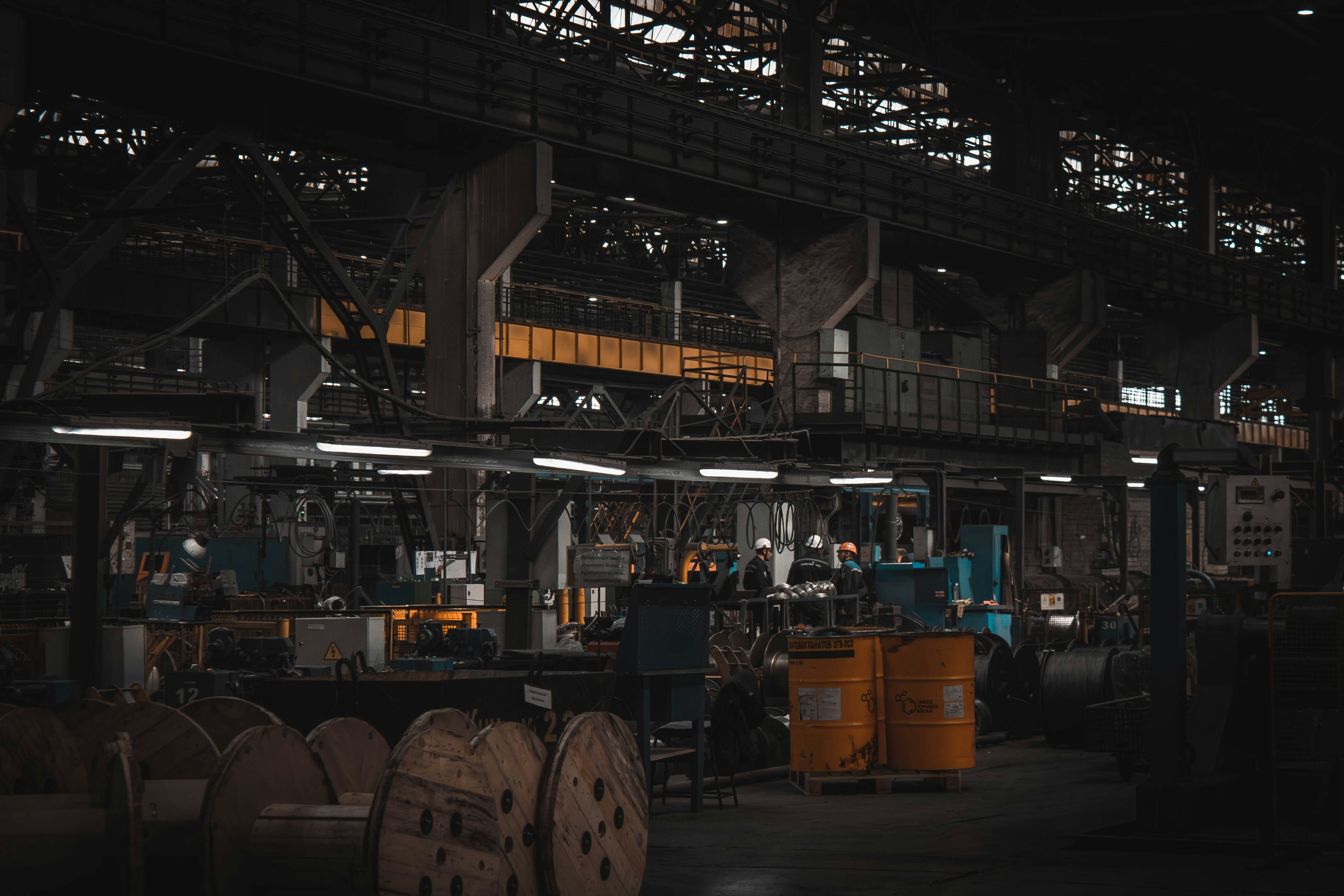
Precision Weighing for Michigan's Aggregate, Quarry, and Ready-Mix Industry
In manufacturing, production accuracy is typically measured at the end of the process: dimensional inspection, functional testing, weight or volume verification of finished output. Those downstream measurements are important. But by the time a product reaches final inspection, everything that could have gone wrong with the input materials — the ingredient ratios, the component weights, the batch quantities — has already been mixed, molded, assembled, or cured. Catching the problem at the end is expensive. Preventing it at the weigh station is cheap.
Process weighing is the point in the manufacturing sequence where raw materials, components, or batch ingredients are measured before they enter the process. It's also the point where measurement errors have the highest leverage: a 2% error in a compound addition that represents 30% of a batch weight produces a 0.6% error in the finished batch — potentially enough to take it outside specification. Multiplied across a full production run, a systematic weighing error at a single process point can produce an entire lot of out-of-spec product while every downstream inspection instrument is reading correctly, because the product that arrived at those instruments was already wrong.
The underlying cause is almost always the same: the process weighing system wasn't specified with the same rigor as the downstream measurement equipment, isn't calibrated with the same frequency, and doesn't produce the same documentation. It's treated as an operational step rather than a measurement event — and so the systematic errors it introduces never get traced back to their source.
If the weight going into the process is wrong, the process has no chance to correct it. Every measurement downstream is responding to an error that was made upstream at the scale.
Truck Scale Weighing at Quarry Gates
In manufacturing, production accuracy is typically measured at the end of the process: dimensional inspection, functional testing, weight or volume verification of finished output. Those downstream measurements are important. But by the time a product reaches final inspection, everything that could have gone wrong with the input materials — the ingredient ratios, the component weights, the batch quantities — has already been mixed, molded, assembled, or cured. Catching the problem at the end is expensive. Preventing it at the weigh station is cheap.
Process weighing is the point in the manufacturing sequence where raw materials, components, or batch ingredients are measured before they enter the process. It's also the point where measurement errors have the highest leverage: a 2% error in a compound addition that represents 30% of a batch weight produces a 0.6% error in the finished batch — potentially enough to take it outside specification. Multiplied across a full production run, a systematic weighing error at a single process point can produce an entire lot of out-of-spec product while every downstream inspection instrument is reading correctly, because the product that arrived at those instruments was already wrong.
The underlying cause is almost always the same: the process weighing system wasn't specified with the same rigor as the downstream measurement equipment, isn't calibrated with the same frequency, and doesn't produce the same documentation. It's treated as an operational step rather than a measurement event — and so the systematic errors it introduces never get traced back to their source.
If the weight going into the process is wrong, the process has no chance to correct it. Every measurement downstream is responding to an error that was made upstream at the scale.
Belt Scale and Conveyor Mass Flow Measurement
In manufacturing, production accuracy is typically measured at the end of the process: dimensional inspection, functional testing, weight or volume verification of finished output. Those downstream measurements are important. But by the time a product reaches final inspection, everything that could have gone wrong with the input materials — the ingredient ratios, the component weights, the batch quantities — has already been mixed, molded, assembled, or cured. Catching the problem at the end is expensive. Preventing it at the weigh station is cheap.
Process weighing is the point in the manufacturing sequence where raw materials, components, or batch ingredients are measured before they enter the process. It's also the point where measurement errors have the highest leverage: a 2% error in a compound addition that represents 30% of a batch weight produces a 0.6% error in the finished batch — potentially enough to take it outside specification. Multiplied across a full production run, a systematic weighing error at a single process point can produce an entire lot of out-of-spec product while every downstream inspection instrument is reading correctly, because the product that arrived at those instruments was already wrong.
The underlying cause is almost always the same: the process weighing system wasn't specified with the same rigor as the downstream measurement equipment, isn't calibrated with the same frequency, and doesn't produce the same documentation. It's treated as an operational step rather than a measurement event — and so the systematic errors it introduces never get traced back to their source.
If the weight going into the process is wrong, the process has no chance to correct it. Every measurement downstream is responding to an error that was made upstream at the scale.
Batch Plant Weighing for Ready-Mix and Asphalt
In manufacturing, production accuracy is typically measured at the end of the process: dimensional inspection, functional testing, weight or volume verification of finished output. Those downstream measurements are important. But by the time a product reaches final inspection, everything that could have gone wrong with the input materials — the ingredient ratios, the component weights, the batch quantities — has already been mixed, molded, assembled, or cured. Catching the problem at the end is expensive. Preventing it at the weigh station is cheap.
Process weighing is the point in the manufacturing sequence where raw materials, components, or batch ingredients are measured before they enter the process. It's also the point where measurement errors have the highest leverage: a 2% error in a compound addition that represents 30% of a batch weight produces a 0.6% error in the finished batch — potentially enough to take it outside specification. Multiplied across a full production run, a systematic weighing error at a single process point can produce an entire lot of out-of-spec product while every downstream inspection instrument is reading correctly, because the product that arrived at those instruments was already wrong.
The underlying cause is almost always the same: the process weighing system wasn't specified with the same rigor as the downstream measurement equipment, isn't calibrated with the same frequency, and doesn't produce the same documentation. It's treated as an operational step rather than a measurement event — and so the systematic errors it introduces never get traced back to their source.
If the weight going into the process is wrong, the process has no chance to correct it. Every measurement downstream is responding to an error that was made upstream at the scale.
Axle Scales for Load Compliance
In manufacturing, production accuracy is typically measured at the end of the process: dimensional inspection, functional testing, weight or volume verification of finished output. Those downstream measurements are important. But by the time a product reaches final inspection, everything that could have gone wrong with the input materials — the ingredient ratios, the component weights, the batch quantities — has already been mixed, molded, assembled, or cured. Catching the problem at the end is expensive. Preventing it at the weigh station is cheap.
Process weighing is the point in the manufacturing sequence where raw materials, components, or batch ingredients are measured before they enter the process. It's also the point where measurement errors have the highest leverage: a 2% error in a compound addition that represents 30% of a batch weight produces a 0.6% error in the finished batch — potentially enough to take it outside specification. Multiplied across a full production run, a systematic weighing error at a single process point can produce an entire lot of out-of-spec product while every downstream inspection instrument is reading correctly, because the product that arrived at those instruments was already wrong.
The underlying cause is almost always the same: the process weighing system wasn't specified with the same rigor as the downstream measurement equipment, isn't calibrated with the same frequency, and doesn't produce the same documentation. It's treated as an operational step rather than a measurement event — and so the systematic errors it introduces never get traced back to their source.
If the weight going into the process is wrong, the process has no chance to correct it. Every measurement downstream is responding to an error that was made upstream at the scale.
Precision Weighing for Michigan's Aggregate, Quarry, and Ready-Mix Industry
In manufacturing, production accuracy is typically measured at the end of the process: dimensional inspection, functional testing, weight or volume verification of finished output. Those downstream measurements are important. But by the time a product reaches final inspection, everything that could have gone wrong with the input materials — the ingredient ratios, the component weights, the batch quantities — has already been mixed, molded, assembled, or cured. Catching the problem at the end is expensive. Preventing it at the weigh station is cheap.
Process weighing is the point in the manufacturing sequence where raw materials, components, or batch ingredients are measured before they enter the process. It's also the point where measurement errors have the highest leverage: a 2% error in a compound addition that represents 30% of a batch weight produces a 0.6% error in the finished batch — potentially enough to take it outside specification. Multiplied across a full production run, a systematic weighing error at a single process point can produce an entire lot of out-of-spec product while every downstream inspection instrument is reading correctly, because the product that arrived at those instruments was already wrong.
The underlying cause is almost always the same: the process weighing system wasn't specified with the same rigor as the downstream measurement equipment, isn't calibrated with the same frequency, and doesn't produce the same documentation. It's treated as an operational step rather than a measurement event — and so the systematic errors it introduces never get traced back to their source.
If the weight going into the process is wrong, the process has no chance to correct it. Every measurement downstream is responding to an error that was made upstream at the scale.
Truck Scale Weighing at Quarry Gates
In manufacturing, production accuracy is typically measured at the end of the process: dimensional inspection, functional testing, weight or volume verification of finished output. Those downstream measurements are important. But by the time a product reaches final inspection, everything that could have gone wrong with the input materials — the ingredient ratios, the component weights, the batch quantities — has already been mixed, molded, assembled, or cured. Catching the problem at the end is expensive. Preventing it at the weigh station is cheap.
Process weighing is the point in the manufacturing sequence where raw materials, components, or batch ingredients are measured before they enter the process. It's also the point where measurement errors have the highest leverage: a 2% error in a compound addition that represents 30% of a batch weight produces a 0.6% error in the finished batch — potentially enough to take it outside specification. Multiplied across a full production run, a systematic weighing error at a single process point can produce an entire lot of out-of-spec product while every downstream inspection instrument is reading correctly, because the product that arrived at those instruments was already wrong.
The underlying cause is almost always the same: the process weighing system wasn't specified with the same rigor as the downstream measurement equipment, isn't calibrated with the same frequency, and doesn't produce the same documentation. It's treated as an operational step rather than a measurement event — and so the systematic errors it introduces never get traced back to their source.
If the weight going into the process is wrong, the process has no chance to correct it. Every measurement downstream is responding to an error that was made upstream at the scale.
Belt Scale and Conveyor Mass Flow Measurement
In manufacturing, production accuracy is typically measured at the end of the process: dimensional inspection, functional testing, weight or volume verification of finished output. Those downstream measurements are important. But by the time a product reaches final inspection, everything that could have gone wrong with the input materials — the ingredient ratios, the component weights, the batch quantities — has already been mixed, molded, assembled, or cured. Catching the problem at the end is expensive. Preventing it at the weigh station is cheap.
Process weighing is the point in the manufacturing sequence where raw materials, components, or batch ingredients are measured before they enter the process. It's also the point where measurement errors have the highest leverage: a 2% error in a compound addition that represents 30% of a batch weight produces a 0.6% error in the finished batch — potentially enough to take it outside specification. Multiplied across a full production run, a systematic weighing error at a single process point can produce an entire lot of out-of-spec product while every downstream inspection instrument is reading correctly, because the product that arrived at those instruments was already wrong.
The underlying cause is almost always the same: the process weighing system wasn't specified with the same rigor as the downstream measurement equipment, isn't calibrated with the same frequency, and doesn't produce the same documentation. It's treated as an operational step rather than a measurement event — and so the systematic errors it introduces never get traced back to their source.
If the weight going into the process is wrong, the process has no chance to correct it. Every measurement downstream is responding to an error that was made upstream at the scale.
Batch Plant Weighing for Ready-Mix and Asphalt
In manufacturing, production accuracy is typically measured at the end of the process: dimensional inspection, functional testing, weight or volume verification of finished output. Those downstream measurements are important. But by the time a product reaches final inspection, everything that could have gone wrong with the input materials — the ingredient ratios, the component weights, the batch quantities — has already been mixed, molded, assembled, or cured. Catching the problem at the end is expensive. Preventing it at the weigh station is cheap.
Process weighing is the point in the manufacturing sequence where raw materials, components, or batch ingredients are measured before they enter the process. It's also the point where measurement errors have the highest leverage: a 2% error in a compound addition that represents 30% of a batch weight produces a 0.6% error in the finished batch — potentially enough to take it outside specification. Multiplied across a full production run, a systematic weighing error at a single process point can produce an entire lot of out-of-spec product while every downstream inspection instrument is reading correctly, because the product that arrived at those instruments was already wrong.
The underlying cause is almost always the same: the process weighing system wasn't specified with the same rigor as the downstream measurement equipment, isn't calibrated with the same frequency, and doesn't produce the same documentation. It's treated as an operational step rather than a measurement event — and so the systematic errors it introduces never get traced back to their source.
If the weight going into the process is wrong, the process has no chance to correct it. Every measurement downstream is responding to an error that was made upstream at the scale.
Axle Scales for Load Compliance
In manufacturing, production accuracy is typically measured at the end of the process: dimensional inspection, functional testing, weight or volume verification of finished output. Those downstream measurements are important. But by the time a product reaches final inspection, everything that could have gone wrong with the input materials — the ingredient ratios, the component weights, the batch quantities — has already been mixed, molded, assembled, or cured. Catching the problem at the end is expensive. Preventing it at the weigh station is cheap.
Process weighing is the point in the manufacturing sequence where raw materials, components, or batch ingredients are measured before they enter the process. It's also the point where measurement errors have the highest leverage: a 2% error in a compound addition that represents 30% of a batch weight produces a 0.6% error in the finished batch — potentially enough to take it outside specification. Multiplied across a full production run, a systematic weighing error at a single process point can produce an entire lot of out-of-spec product while every downstream inspection instrument is reading correctly, because the product that arrived at those instruments was already wrong.
The underlying cause is almost always the same: the process weighing system wasn't specified with the same rigor as the downstream measurement equipment, isn't calibrated with the same frequency, and doesn't produce the same documentation. It's treated as an operational step rather than a measurement event — and so the systematic errors it introduces never get traced back to their source.
If the weight going into the process is wrong, the process has no chance to correct it. Every measurement downstream is responding to an error that was made upstream at the scale.
Our Quality Guarantee
At Cech Scale, three generations of German precision and decades of field experience guide every install, calibration, and repair. When our name goes on the work, it carries that lineage, sets the standard we live by, and stands as a promise to perform today and for years to come.

.png)


