
Aggregate Industry Weighing — Scales, Calibration & Service for Michigan Quarries and Ready-Mix
Truck scales, belt scales, and rugged platform weighing for theaggregate industry — installed, calibrated, and maintained by Cech.
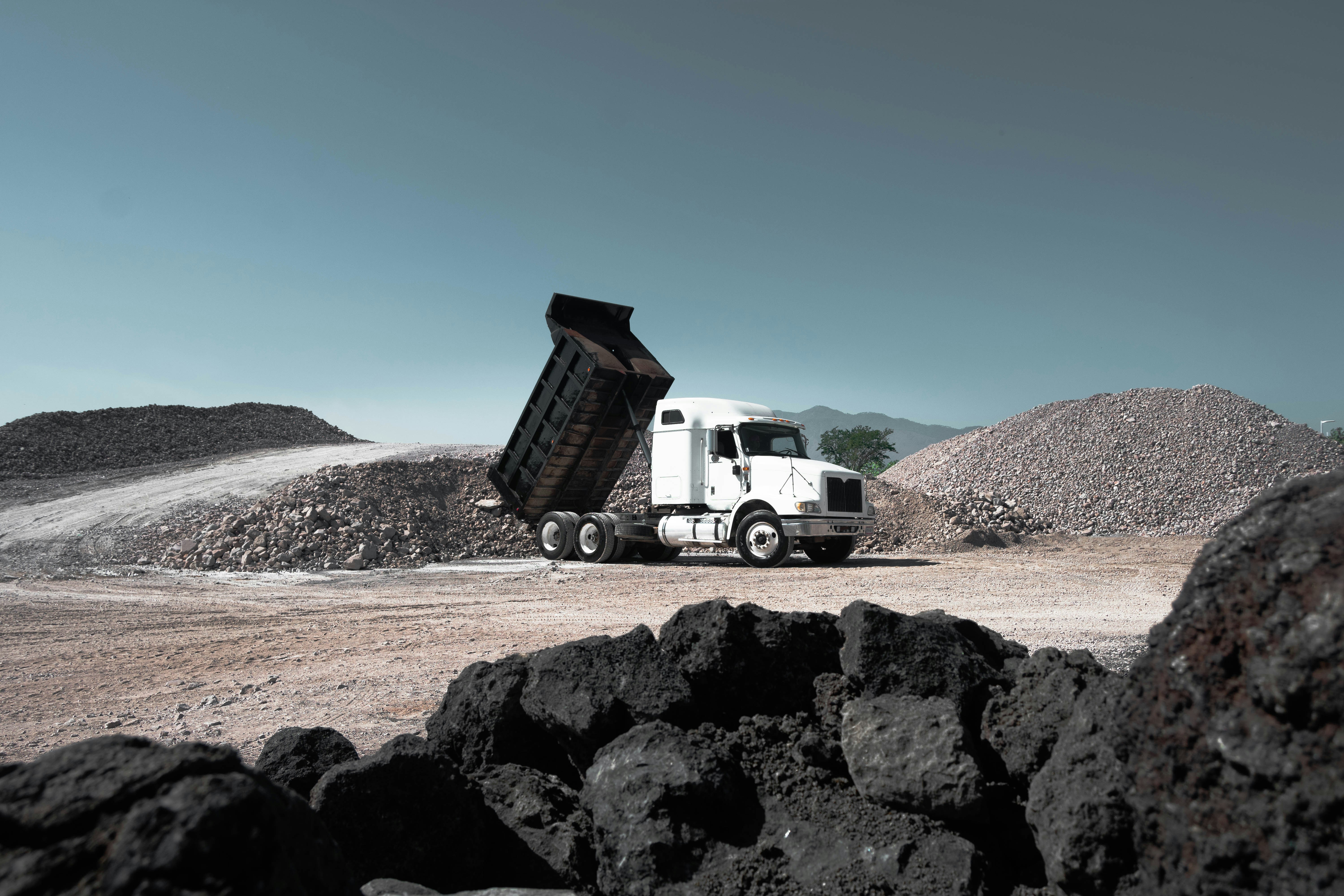
Precision Weighing for Michigan's Aggregate, Quarry, and Ready-Mix Industry
The weighing equipment catalogs make most scales look the same. Stainless steel platform, IP65 rating, NTEP certified, stocked and ready to ship. And in a clean warehouse or a controlled processing environment, a lot of that equipment performs just fine. Put it in an aggregate quarry, a concrete batch plant, or a crushed stone processing facility, and the story changes—usually within the first season.
Aggregate environments don't just expose weaknesses in weighing equipment. They find them, exploit them, and accelerate the failure timeline in ways that make the original cost of the equipment look minor compared to what downtime and repeated replacement actually costs. Limestone dust is abrasive, pervasive, and electrically conductive when moisture is present—it infiltrates every unsealed enclosure and compromises electronics in ways that create intermittent errors before outright failure. Vibration from crushers, screens, and heavy mobile equipment is constant and multi-directional, and it fatigues load cell mountings and loosens cable connections in ways that degrade calibration quietly over months. Impact loading from aggregate drop height—a load cell platform that receives material falling two feet from a conveyor discharge—creates peak forces far beyond the rated static capacity that standard equipment wasn't designed to absorb repeatedly.
The result is a pattern most aggregate operations know well: a scale that's accurate at commissioning, drifting within six months, requiring repair within a year, and replaced within two. Multiplied across multiple weighing points in a processing facility, that cycle represents a significant ongoing cost that gets accepted as the cost of doing business in a tough environment—when it's actually the cost of specifying the wrong equipment for that environment.
Truck Scale Weighing at Quarry Gates
The weighing equipment catalogs make most scales look the same. Stainless steel platform, IP65 rating, NTEP certified, stocked and ready to ship. And in a clean warehouse or a controlled processing environment, a lot of that equipment performs just fine. Put it in an aggregate quarry, a concrete batch plant, or a crushed stone processing facility, and the story changes—usually within the first season.
Aggregate environments don't just expose weaknesses in weighing equipment. They find them, exploit them, and accelerate the failure timeline in ways that make the original cost of the equipment look minor compared to what downtime and repeated replacement actually costs. Limestone dust is abrasive, pervasive, and electrically conductive when moisture is present—it infiltrates every unsealed enclosure and compromises electronics in ways that create intermittent errors before outright failure. Vibration from crushers, screens, and heavy mobile equipment is constant and multi-directional, and it fatigues load cell mountings and loosens cable connections in ways that degrade calibration quietly over months. Impact loading from aggregate drop height—a load cell platform that receives material falling two feet from a conveyor discharge—creates peak forces far beyond the rated static capacity that standard equipment wasn't designed to absorb repeatedly.
The result is a pattern most aggregate operations know well: a scale that's accurate at commissioning, drifting within six months, requiring repair within a year, and replaced within two. Multiplied across multiple weighing points in a processing facility, that cycle represents a significant ongoing cost that gets accepted as the cost of doing business in a tough environment—when it's actually the cost of specifying the wrong equipment for that environment.
Belt Scale and Conveyor Mass Flow Measurement
The weighing equipment catalogs make most scales look the same. Stainless steel platform, IP65 rating, NTEP certified, stocked and ready to ship. And in a clean warehouse or a controlled processing environment, a lot of that equipment performs just fine. Put it in an aggregate quarry, a concrete batch plant, or a crushed stone processing facility, and the story changes—usually within the first season.
Aggregate environments don't just expose weaknesses in weighing equipment. They find them, exploit them, and accelerate the failure timeline in ways that make the original cost of the equipment look minor compared to what downtime and repeated replacement actually costs. Limestone dust is abrasive, pervasive, and electrically conductive when moisture is present—it infiltrates every unsealed enclosure and compromises electronics in ways that create intermittent errors before outright failure. Vibration from crushers, screens, and heavy mobile equipment is constant and multi-directional, and it fatigues load cell mountings and loosens cable connections in ways that degrade calibration quietly over months. Impact loading from aggregate drop height—a load cell platform that receives material falling two feet from a conveyor discharge—creates peak forces far beyond the rated static capacity that standard equipment wasn't designed to absorb repeatedly.
The result is a pattern most aggregate operations know well: a scale that's accurate at commissioning, drifting within six months, requiring repair within a year, and replaced within two. Multiplied across multiple weighing points in a processing facility, that cycle represents a significant ongoing cost that gets accepted as the cost of doing business in a tough environment—when it's actually the cost of specifying the wrong equipment for that environment.
Batch Plant Weighing for Ready-Mix and Asphalt
The weighing equipment catalogs make most scales look the same. Stainless steel platform, IP65 rating, NTEP certified, stocked and ready to ship. And in a clean warehouse or a controlled processing environment, a lot of that equipment performs just fine. Put it in an aggregate quarry, a concrete batch plant, or a crushed stone processing facility, and the story changes—usually within the first season.
Aggregate environments don't just expose weaknesses in weighing equipment. They find them, exploit them, and accelerate the failure timeline in ways that make the original cost of the equipment look minor compared to what downtime and repeated replacement actually costs. Limestone dust is abrasive, pervasive, and electrically conductive when moisture is present—it infiltrates every unsealed enclosure and compromises electronics in ways that create intermittent errors before outright failure. Vibration from crushers, screens, and heavy mobile equipment is constant and multi-directional, and it fatigues load cell mountings and loosens cable connections in ways that degrade calibration quietly over months. Impact loading from aggregate drop height—a load cell platform that receives material falling two feet from a conveyor discharge—creates peak forces far beyond the rated static capacity that standard equipment wasn't designed to absorb repeatedly.
The result is a pattern most aggregate operations know well: a scale that's accurate at commissioning, drifting within six months, requiring repair within a year, and replaced within two. Multiplied across multiple weighing points in a processing facility, that cycle represents a significant ongoing cost that gets accepted as the cost of doing business in a tough environment—when it's actually the cost of specifying the wrong equipment for that environment.
Axle Scales for Load Compliance
The weighing equipment catalogs make most scales look the same. Stainless steel platform, IP65 rating, NTEP certified, stocked and ready to ship. And in a clean warehouse or a controlled processing environment, a lot of that equipment performs just fine. Put it in an aggregate quarry, a concrete batch plant, or a crushed stone processing facility, and the story changes—usually within the first season.
Aggregate environments don't just expose weaknesses in weighing equipment. They find them, exploit them, and accelerate the failure timeline in ways that make the original cost of the equipment look minor compared to what downtime and repeated replacement actually costs. Limestone dust is abrasive, pervasive, and electrically conductive when moisture is present—it infiltrates every unsealed enclosure and compromises electronics in ways that create intermittent errors before outright failure. Vibration from crushers, screens, and heavy mobile equipment is constant and multi-directional, and it fatigues load cell mountings and loosens cable connections in ways that degrade calibration quietly over months. Impact loading from aggregate drop height—a load cell platform that receives material falling two feet from a conveyor discharge—creates peak forces far beyond the rated static capacity that standard equipment wasn't designed to absorb repeatedly.
The result is a pattern most aggregate operations know well: a scale that's accurate at commissioning, drifting within six months, requiring repair within a year, and replaced within two. Multiplied across multiple weighing points in a processing facility, that cycle represents a significant ongoing cost that gets accepted as the cost of doing business in a tough environment—when it's actually the cost of specifying the wrong equipment for that environment.
Precision Weighing for Michigan's Aggregate, Quarry, and Ready-Mix Industry
The weighing equipment catalogs make most scales look the same. Stainless steel platform, IP65 rating, NTEP certified, stocked and ready to ship. And in a clean warehouse or a controlled processing environment, a lot of that equipment performs just fine. Put it in an aggregate quarry, a concrete batch plant, or a crushed stone processing facility, and the story changes—usually within the first season.
Aggregate environments don't just expose weaknesses in weighing equipment. They find them, exploit them, and accelerate the failure timeline in ways that make the original cost of the equipment look minor compared to what downtime and repeated replacement actually costs. Limestone dust is abrasive, pervasive, and electrically conductive when moisture is present—it infiltrates every unsealed enclosure and compromises electronics in ways that create intermittent errors before outright failure. Vibration from crushers, screens, and heavy mobile equipment is constant and multi-directional, and it fatigues load cell mountings and loosens cable connections in ways that degrade calibration quietly over months. Impact loading from aggregate drop height—a load cell platform that receives material falling two feet from a conveyor discharge—creates peak forces far beyond the rated static capacity that standard equipment wasn't designed to absorb repeatedly.
The result is a pattern most aggregate operations know well: a scale that's accurate at commissioning, drifting within six months, requiring repair within a year, and replaced within two. Multiplied across multiple weighing points in a processing facility, that cycle represents a significant ongoing cost that gets accepted as the cost of doing business in a tough environment—when it's actually the cost of specifying the wrong equipment for that environment.
Truck Scale Weighing at Quarry Gates
The weighing equipment catalogs make most scales look the same. Stainless steel platform, IP65 rating, NTEP certified, stocked and ready to ship. And in a clean warehouse or a controlled processing environment, a lot of that equipment performs just fine. Put it in an aggregate quarry, a concrete batch plant, or a crushed stone processing facility, and the story changes—usually within the first season.
Aggregate environments don't just expose weaknesses in weighing equipment. They find them, exploit them, and accelerate the failure timeline in ways that make the original cost of the equipment look minor compared to what downtime and repeated replacement actually costs. Limestone dust is abrasive, pervasive, and electrically conductive when moisture is present—it infiltrates every unsealed enclosure and compromises electronics in ways that create intermittent errors before outright failure. Vibration from crushers, screens, and heavy mobile equipment is constant and multi-directional, and it fatigues load cell mountings and loosens cable connections in ways that degrade calibration quietly over months. Impact loading from aggregate drop height—a load cell platform that receives material falling two feet from a conveyor discharge—creates peak forces far beyond the rated static capacity that standard equipment wasn't designed to absorb repeatedly.
The result is a pattern most aggregate operations know well: a scale that's accurate at commissioning, drifting within six months, requiring repair within a year, and replaced within two. Multiplied across multiple weighing points in a processing facility, that cycle represents a significant ongoing cost that gets accepted as the cost of doing business in a tough environment—when it's actually the cost of specifying the wrong equipment for that environment.
Belt Scale and Conveyor Mass Flow Measurement
The weighing equipment catalogs make most scales look the same. Stainless steel platform, IP65 rating, NTEP certified, stocked and ready to ship. And in a clean warehouse or a controlled processing environment, a lot of that equipment performs just fine. Put it in an aggregate quarry, a concrete batch plant, or a crushed stone processing facility, and the story changes—usually within the first season.
Aggregate environments don't just expose weaknesses in weighing equipment. They find them, exploit them, and accelerate the failure timeline in ways that make the original cost of the equipment look minor compared to what downtime and repeated replacement actually costs. Limestone dust is abrasive, pervasive, and electrically conductive when moisture is present—it infiltrates every unsealed enclosure and compromises electronics in ways that create intermittent errors before outright failure. Vibration from crushers, screens, and heavy mobile equipment is constant and multi-directional, and it fatigues load cell mountings and loosens cable connections in ways that degrade calibration quietly over months. Impact loading from aggregate drop height—a load cell platform that receives material falling two feet from a conveyor discharge—creates peak forces far beyond the rated static capacity that standard equipment wasn't designed to absorb repeatedly.
The result is a pattern most aggregate operations know well: a scale that's accurate at commissioning, drifting within six months, requiring repair within a year, and replaced within two. Multiplied across multiple weighing points in a processing facility, that cycle represents a significant ongoing cost that gets accepted as the cost of doing business in a tough environment—when it's actually the cost of specifying the wrong equipment for that environment.
Batch Plant Weighing for Ready-Mix and Asphalt
The weighing equipment catalogs make most scales look the same. Stainless steel platform, IP65 rating, NTEP certified, stocked and ready to ship. And in a clean warehouse or a controlled processing environment, a lot of that equipment performs just fine. Put it in an aggregate quarry, a concrete batch plant, or a crushed stone processing facility, and the story changes—usually within the first season.
Aggregate environments don't just expose weaknesses in weighing equipment. They find them, exploit them, and accelerate the failure timeline in ways that make the original cost of the equipment look minor compared to what downtime and repeated replacement actually costs. Limestone dust is abrasive, pervasive, and electrically conductive when moisture is present—it infiltrates every unsealed enclosure and compromises electronics in ways that create intermittent errors before outright failure. Vibration from crushers, screens, and heavy mobile equipment is constant and multi-directional, and it fatigues load cell mountings and loosens cable connections in ways that degrade calibration quietly over months. Impact loading from aggregate drop height—a load cell platform that receives material falling two feet from a conveyor discharge—creates peak forces far beyond the rated static capacity that standard equipment wasn't designed to absorb repeatedly.
The result is a pattern most aggregate operations know well: a scale that's accurate at commissioning, drifting within six months, requiring repair within a year, and replaced within two. Multiplied across multiple weighing points in a processing facility, that cycle represents a significant ongoing cost that gets accepted as the cost of doing business in a tough environment—when it's actually the cost of specifying the wrong equipment for that environment.
Axle Scales for Load Compliance
The weighing equipment catalogs make most scales look the same. Stainless steel platform, IP65 rating, NTEP certified, stocked and ready to ship. And in a clean warehouse or a controlled processing environment, a lot of that equipment performs just fine. Put it in an aggregate quarry, a concrete batch plant, or a crushed stone processing facility, and the story changes—usually within the first season.
Aggregate environments don't just expose weaknesses in weighing equipment. They find them, exploit them, and accelerate the failure timeline in ways that make the original cost of the equipment look minor compared to what downtime and repeated replacement actually costs. Limestone dust is abrasive, pervasive, and electrically conductive when moisture is present—it infiltrates every unsealed enclosure and compromises electronics in ways that create intermittent errors before outright failure. Vibration from crushers, screens, and heavy mobile equipment is constant and multi-directional, and it fatigues load cell mountings and loosens cable connections in ways that degrade calibration quietly over months. Impact loading from aggregate drop height—a load cell platform that receives material falling two feet from a conveyor discharge—creates peak forces far beyond the rated static capacity that standard equipment wasn't designed to absorb repeatedly.
The result is a pattern most aggregate operations know well: a scale that's accurate at commissioning, drifting within six months, requiring repair within a year, and replaced within two. Multiplied across multiple weighing points in a processing facility, that cycle represents a significant ongoing cost that gets accepted as the cost of doing business in a tough environment—when it's actually the cost of specifying the wrong equipment for that environment.
Our Quality Guarantee
At Cech Scale, three generations of German precision and decades of field experience guide every install, calibration, and repair. When our name goes on the work, it carries that lineage, sets the standard we live by, and stands as a promise to perform today and for years to come.
.png)


