
Aggregate Industry Weighing — Scales, Calibration & Service for Michigan Quarries and Ready-Mix
Truck scales, belt scales, and rugged platform weighing for theaggregate industry — installed, calibrated, and maintained by Cech.
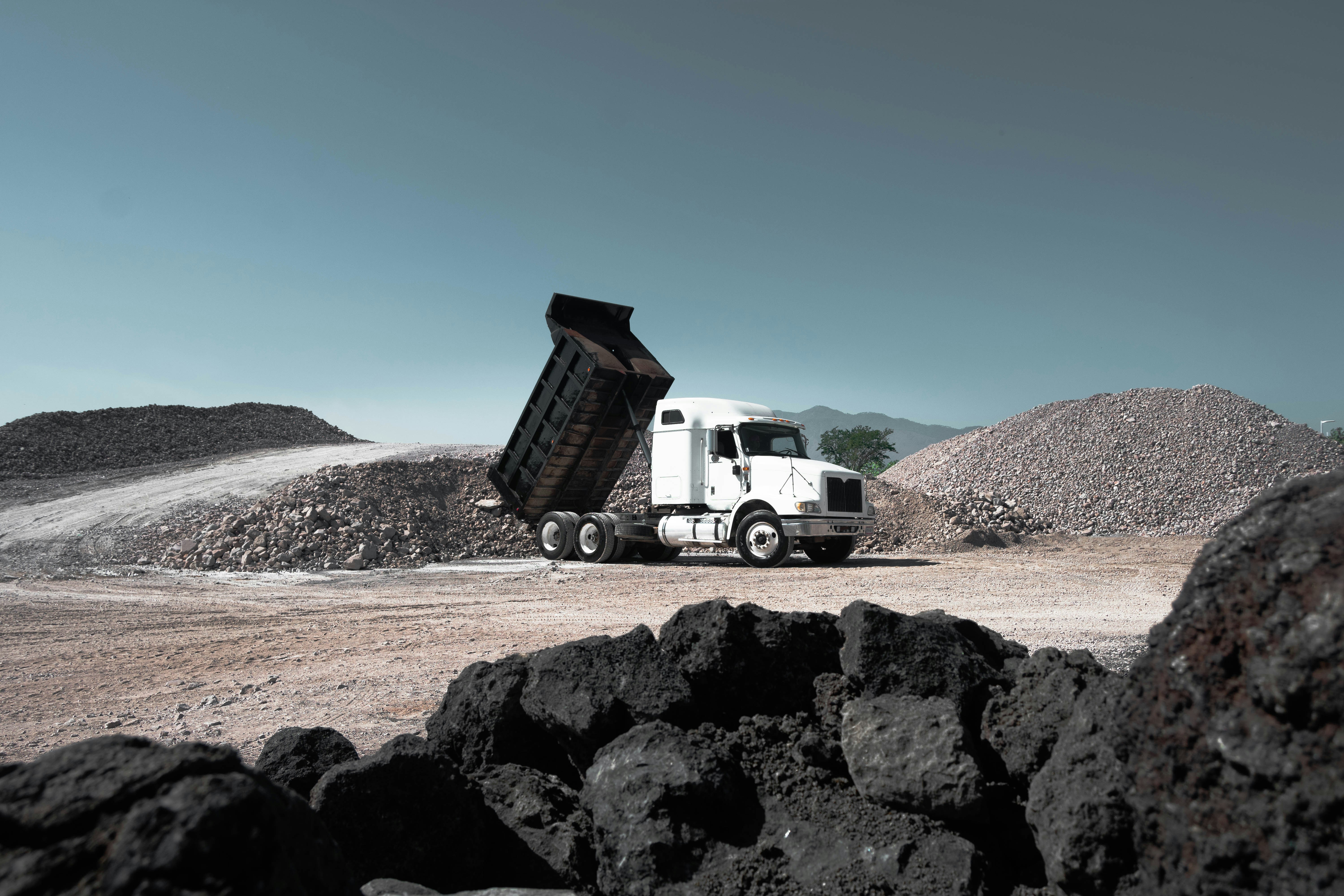
Precision Weighing for Michigan's Aggregate, Quarry, and Ready-Mix Industry
Every loaded aggregate haul that rolls across your truck scale is a revenue event. The weight on that ticket is the weight you invoice. It's the weight the customer pays for, the weight that hits your yield reconciliation, and—if you're operating as a licensed public weighmaster—the weight that your state weights and measures program considers a legal transaction. When that scale is accurate, your revenue matches your production. When it drifts, the gap between what leaves your quarry and what you actually get paid for it grows with every truck.
Aggregate operations run truck scales in conditions that are among the harshest in any industry. Loaded quarry trucks and ready-mix drum trucks routinely push gross vehicle weights of 60,000 to 80,000 lbs. The approach aprons take constant impact from heavy axle loads at varying speeds. Limestone dust, concrete slurry, and silica fines work their way into every seal and cable gland that isn't properly protected. Michigan freeze-thaw cycles heave foundations, shift deck plates, and create ice dams in pit drains that compromise both safety and accuracy. And through all of it, the scale keeps printing tickets—whether the weights are right or not.
The most dangerous scale problem in aggregate isn't the one that stops working. It's the one that keeps working while quietly reading wrong. A scale that's drifted one percent low on 500 daily truck loads at 40 tons average is giving away 200 tons of product a day. At $12 per ton for crushed limestone, that's $2,400 every day you don't catch it. Over a season, it's a number that makes a pre-season calibration look like the cheapest investment you'll make all year.
Truck Scale Weighing at Quarry Gates
Every loaded aggregate haul that rolls across your truck scale is a revenue event. The weight on that ticket is the weight you invoice. It's the weight the customer pays for, the weight that hits your yield reconciliation, and—if you're operating as a licensed public weighmaster—the weight that your state weights and measures program considers a legal transaction. When that scale is accurate, your revenue matches your production. When it drifts, the gap between what leaves your quarry and what you actually get paid for it grows with every truck.
Aggregate operations run truck scales in conditions that are among the harshest in any industry. Loaded quarry trucks and ready-mix drum trucks routinely push gross vehicle weights of 60,000 to 80,000 lbs. The approach aprons take constant impact from heavy axle loads at varying speeds. Limestone dust, concrete slurry, and silica fines work their way into every seal and cable gland that isn't properly protected. Michigan freeze-thaw cycles heave foundations, shift deck plates, and create ice dams in pit drains that compromise both safety and accuracy. And through all of it, the scale keeps printing tickets—whether the weights are right or not.
The most dangerous scale problem in aggregate isn't the one that stops working. It's the one that keeps working while quietly reading wrong. A scale that's drifted one percent low on 500 daily truck loads at 40 tons average is giving away 200 tons of product a day. At $12 per ton for crushed limestone, that's $2,400 every day you don't catch it. Over a season, it's a number that makes a pre-season calibration look like the cheapest investment you'll make all year.
Belt Scale and Conveyor Mass Flow Measurement
Every loaded aggregate haul that rolls across your truck scale is a revenue event. The weight on that ticket is the weight you invoice. It's the weight the customer pays for, the weight that hits your yield reconciliation, and—if you're operating as a licensed public weighmaster—the weight that your state weights and measures program considers a legal transaction. When that scale is accurate, your revenue matches your production. When it drifts, the gap between what leaves your quarry and what you actually get paid for it grows with every truck.
Aggregate operations run truck scales in conditions that are among the harshest in any industry. Loaded quarry trucks and ready-mix drum trucks routinely push gross vehicle weights of 60,000 to 80,000 lbs. The approach aprons take constant impact from heavy axle loads at varying speeds. Limestone dust, concrete slurry, and silica fines work their way into every seal and cable gland that isn't properly protected. Michigan freeze-thaw cycles heave foundations, shift deck plates, and create ice dams in pit drains that compromise both safety and accuracy. And through all of it, the scale keeps printing tickets—whether the weights are right or not.
The most dangerous scale problem in aggregate isn't the one that stops working. It's the one that keeps working while quietly reading wrong. A scale that's drifted one percent low on 500 daily truck loads at 40 tons average is giving away 200 tons of product a day. At $12 per ton for crushed limestone, that's $2,400 every day you don't catch it. Over a season, it's a number that makes a pre-season calibration look like the cheapest investment you'll make all year.
Batch Plant Weighing for Ready-Mix and Asphalt
Every loaded aggregate haul that rolls across your truck scale is a revenue event. The weight on that ticket is the weight you invoice. It's the weight the customer pays for, the weight that hits your yield reconciliation, and—if you're operating as a licensed public weighmaster—the weight that your state weights and measures program considers a legal transaction. When that scale is accurate, your revenue matches your production. When it drifts, the gap between what leaves your quarry and what you actually get paid for it grows with every truck.
Aggregate operations run truck scales in conditions that are among the harshest in any industry. Loaded quarry trucks and ready-mix drum trucks routinely push gross vehicle weights of 60,000 to 80,000 lbs. The approach aprons take constant impact from heavy axle loads at varying speeds. Limestone dust, concrete slurry, and silica fines work their way into every seal and cable gland that isn't properly protected. Michigan freeze-thaw cycles heave foundations, shift deck plates, and create ice dams in pit drains that compromise both safety and accuracy. And through all of it, the scale keeps printing tickets—whether the weights are right or not.
The most dangerous scale problem in aggregate isn't the one that stops working. It's the one that keeps working while quietly reading wrong. A scale that's drifted one percent low on 500 daily truck loads at 40 tons average is giving away 200 tons of product a day. At $12 per ton for crushed limestone, that's $2,400 every day you don't catch it. Over a season, it's a number that makes a pre-season calibration look like the cheapest investment you'll make all year.
Axle Scales for Load Compliance
Every loaded aggregate haul that rolls across your truck scale is a revenue event. The weight on that ticket is the weight you invoice. It's the weight the customer pays for, the weight that hits your yield reconciliation, and—if you're operating as a licensed public weighmaster—the weight that your state weights and measures program considers a legal transaction. When that scale is accurate, your revenue matches your production. When it drifts, the gap between what leaves your quarry and what you actually get paid for it grows with every truck.
Aggregate operations run truck scales in conditions that are among the harshest in any industry. Loaded quarry trucks and ready-mix drum trucks routinely push gross vehicle weights of 60,000 to 80,000 lbs. The approach aprons take constant impact from heavy axle loads at varying speeds. Limestone dust, concrete slurry, and silica fines work their way into every seal and cable gland that isn't properly protected. Michigan freeze-thaw cycles heave foundations, shift deck plates, and create ice dams in pit drains that compromise both safety and accuracy. And through all of it, the scale keeps printing tickets—whether the weights are right or not.
The most dangerous scale problem in aggregate isn't the one that stops working. It's the one that keeps working while quietly reading wrong. A scale that's drifted one percent low on 500 daily truck loads at 40 tons average is giving away 200 tons of product a day. At $12 per ton for crushed limestone, that's $2,400 every day you don't catch it. Over a season, it's a number that makes a pre-season calibration look like the cheapest investment you'll make all year.
Precision Weighing for Michigan's Aggregate, Quarry, and Ready-Mix Industry
Every loaded aggregate haul that rolls across your truck scale is a revenue event. The weight on that ticket is the weight you invoice. It's the weight the customer pays for, the weight that hits your yield reconciliation, and—if you're operating as a licensed public weighmaster—the weight that your state weights and measures program considers a legal transaction. When that scale is accurate, your revenue matches your production. When it drifts, the gap between what leaves your quarry and what you actually get paid for it grows with every truck.
Aggregate operations run truck scales in conditions that are among the harshest in any industry. Loaded quarry trucks and ready-mix drum trucks routinely push gross vehicle weights of 60,000 to 80,000 lbs. The approach aprons take constant impact from heavy axle loads at varying speeds. Limestone dust, concrete slurry, and silica fines work their way into every seal and cable gland that isn't properly protected. Michigan freeze-thaw cycles heave foundations, shift deck plates, and create ice dams in pit drains that compromise both safety and accuracy. And through all of it, the scale keeps printing tickets—whether the weights are right or not.
The most dangerous scale problem in aggregate isn't the one that stops working. It's the one that keeps working while quietly reading wrong. A scale that's drifted one percent low on 500 daily truck loads at 40 tons average is giving away 200 tons of product a day. At $12 per ton for crushed limestone, that's $2,400 every day you don't catch it. Over a season, it's a number that makes a pre-season calibration look like the cheapest investment you'll make all year.
Truck Scale Weighing at Quarry Gates
Every loaded aggregate haul that rolls across your truck scale is a revenue event. The weight on that ticket is the weight you invoice. It's the weight the customer pays for, the weight that hits your yield reconciliation, and—if you're operating as a licensed public weighmaster—the weight that your state weights and measures program considers a legal transaction. When that scale is accurate, your revenue matches your production. When it drifts, the gap between what leaves your quarry and what you actually get paid for it grows with every truck.
Aggregate operations run truck scales in conditions that are among the harshest in any industry. Loaded quarry trucks and ready-mix drum trucks routinely push gross vehicle weights of 60,000 to 80,000 lbs. The approach aprons take constant impact from heavy axle loads at varying speeds. Limestone dust, concrete slurry, and silica fines work their way into every seal and cable gland that isn't properly protected. Michigan freeze-thaw cycles heave foundations, shift deck plates, and create ice dams in pit drains that compromise both safety and accuracy. And through all of it, the scale keeps printing tickets—whether the weights are right or not.
The most dangerous scale problem in aggregate isn't the one that stops working. It's the one that keeps working while quietly reading wrong. A scale that's drifted one percent low on 500 daily truck loads at 40 tons average is giving away 200 tons of product a day. At $12 per ton for crushed limestone, that's $2,400 every day you don't catch it. Over a season, it's a number that makes a pre-season calibration look like the cheapest investment you'll make all year.
Belt Scale and Conveyor Mass Flow Measurement
Every loaded aggregate haul that rolls across your truck scale is a revenue event. The weight on that ticket is the weight you invoice. It's the weight the customer pays for, the weight that hits your yield reconciliation, and—if you're operating as a licensed public weighmaster—the weight that your state weights and measures program considers a legal transaction. When that scale is accurate, your revenue matches your production. When it drifts, the gap between what leaves your quarry and what you actually get paid for it grows with every truck.
Aggregate operations run truck scales in conditions that are among the harshest in any industry. Loaded quarry trucks and ready-mix drum trucks routinely push gross vehicle weights of 60,000 to 80,000 lbs. The approach aprons take constant impact from heavy axle loads at varying speeds. Limestone dust, concrete slurry, and silica fines work their way into every seal and cable gland that isn't properly protected. Michigan freeze-thaw cycles heave foundations, shift deck plates, and create ice dams in pit drains that compromise both safety and accuracy. And through all of it, the scale keeps printing tickets—whether the weights are right or not.
The most dangerous scale problem in aggregate isn't the one that stops working. It's the one that keeps working while quietly reading wrong. A scale that's drifted one percent low on 500 daily truck loads at 40 tons average is giving away 200 tons of product a day. At $12 per ton for crushed limestone, that's $2,400 every day you don't catch it. Over a season, it's a number that makes a pre-season calibration look like the cheapest investment you'll make all year.
Batch Plant Weighing for Ready-Mix and Asphalt
Every loaded aggregate haul that rolls across your truck scale is a revenue event. The weight on that ticket is the weight you invoice. It's the weight the customer pays for, the weight that hits your yield reconciliation, and—if you're operating as a licensed public weighmaster—the weight that your state weights and measures program considers a legal transaction. When that scale is accurate, your revenue matches your production. When it drifts, the gap between what leaves your quarry and what you actually get paid for it grows with every truck.
Aggregate operations run truck scales in conditions that are among the harshest in any industry. Loaded quarry trucks and ready-mix drum trucks routinely push gross vehicle weights of 60,000 to 80,000 lbs. The approach aprons take constant impact from heavy axle loads at varying speeds. Limestone dust, concrete slurry, and silica fines work their way into every seal and cable gland that isn't properly protected. Michigan freeze-thaw cycles heave foundations, shift deck plates, and create ice dams in pit drains that compromise both safety and accuracy. And through all of it, the scale keeps printing tickets—whether the weights are right or not.
The most dangerous scale problem in aggregate isn't the one that stops working. It's the one that keeps working while quietly reading wrong. A scale that's drifted one percent low on 500 daily truck loads at 40 tons average is giving away 200 tons of product a day. At $12 per ton for crushed limestone, that's $2,400 every day you don't catch it. Over a season, it's a number that makes a pre-season calibration look like the cheapest investment you'll make all year.
Axle Scales for Load Compliance
Every loaded aggregate haul that rolls across your truck scale is a revenue event. The weight on that ticket is the weight you invoice. It's the weight the customer pays for, the weight that hits your yield reconciliation, and—if you're operating as a licensed public weighmaster—the weight that your state weights and measures program considers a legal transaction. When that scale is accurate, your revenue matches your production. When it drifts, the gap between what leaves your quarry and what you actually get paid for it grows with every truck.
Aggregate operations run truck scales in conditions that are among the harshest in any industry. Loaded quarry trucks and ready-mix drum trucks routinely push gross vehicle weights of 60,000 to 80,000 lbs. The approach aprons take constant impact from heavy axle loads at varying speeds. Limestone dust, concrete slurry, and silica fines work their way into every seal and cable gland that isn't properly protected. Michigan freeze-thaw cycles heave foundations, shift deck plates, and create ice dams in pit drains that compromise both safety and accuracy. And through all of it, the scale keeps printing tickets—whether the weights are right or not.
The most dangerous scale problem in aggregate isn't the one that stops working. It's the one that keeps working while quietly reading wrong. A scale that's drifted one percent low on 500 daily truck loads at 40 tons average is giving away 200 tons of product a day. At $12 per ton for crushed limestone, that's $2,400 every day you don't catch it. Over a season, it's a number that makes a pre-season calibration look like the cheapest investment you'll make all year.
Our Quality Guarantee
At Cech Scale, three generations of German precision and decades of field experience guide every install, calibration, and repair. When our name goes on the work, it carries that lineage, sets the standard we live by, and stands as a promise to perform today and for years to come.
.png)


