
Aggregate Industry Weighing — Scales, Calibration & Service for Michigan Quarries and Ready-Mix
Truck scales, belt scales, and rugged platform weighing for theaggregate industry — installed, calibrated, and maintained by Cech.
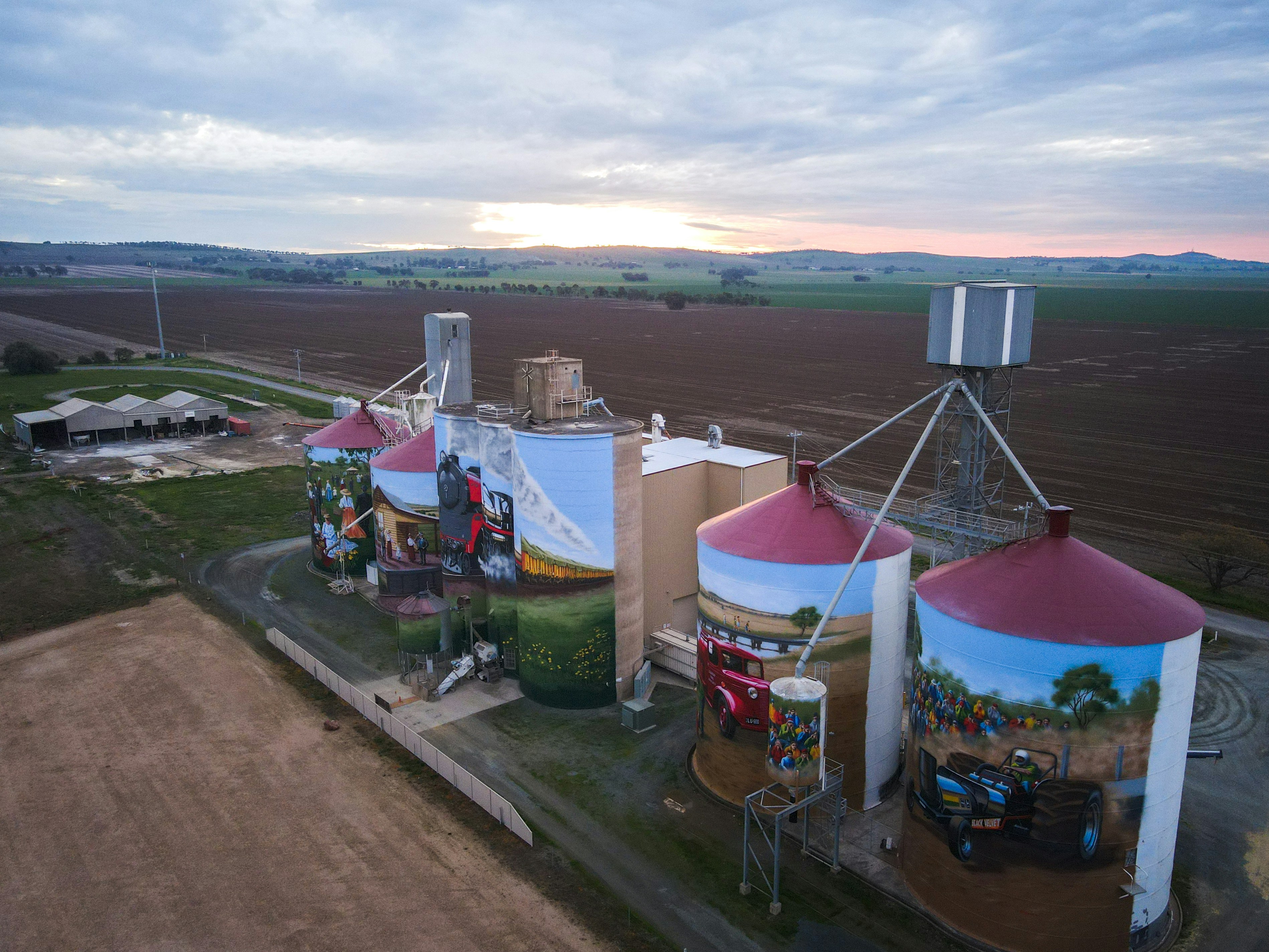
Precision Weighing for Michigan's Aggregate, Quarry, and Ready-Mix Industry
Weighing livestock isn't like weighing grain. The load shifts. It moves. It kicks. The scale goes where the animals are—out in the field, in a muddy corral, down a county road on a trailer hitch. And it needs to work the first time, because the animals aren't going to cooperate with a second attempt and the truck is leaving at dawn.
For most livestock operations, weighing isn't a daily event. It happens at specific moments that matter: weaning, when you need to know if piglets or calves are hitting target weights before they move to the next phase. Pre-sale, when the weight you record is the weight that determines price. At veterinary treatment, when dosing depends on accurate body weight. At market, where the buyer's scale and your scale need to tell a consistent story. At breeding decisions, when body condition scores and weight trends together tell you whether an animal is ready.
The challenge is that the equipment needed to weigh livestock accurately—especially in field conditions—is expensive to own year-round for the number of times it actually gets used. And when you do need it, borrowing a neighbor's scale that hasn't been calibrated in three years, or eyeballing weight from a heart girth tape, introduces exactly the kind of randomness that leads to under-dosing medications, mispricing livestock, and missing performance benchmarks you were actually hitting.
Truck Scale Weighing at Quarry Gates
Weighing livestock isn't like weighing grain. The load shifts. It moves. It kicks. The scale goes where the animals are—out in the field, in a muddy corral, down a county road on a trailer hitch. And it needs to work the first time, because the animals aren't going to cooperate with a second attempt and the truck is leaving at dawn.
For most livestock operations, weighing isn't a daily event. It happens at specific moments that matter: weaning, when you need to know if piglets or calves are hitting target weights before they move to the next phase. Pre-sale, when the weight you record is the weight that determines price. At veterinary treatment, when dosing depends on accurate body weight. At market, where the buyer's scale and your scale need to tell a consistent story. At breeding decisions, when body condition scores and weight trends together tell you whether an animal is ready.
The challenge is that the equipment needed to weigh livestock accurately—especially in field conditions—is expensive to own year-round for the number of times it actually gets used. And when you do need it, borrowing a neighbor's scale that hasn't been calibrated in three years, or eyeballing weight from a heart girth tape, introduces exactly the kind of randomness that leads to under-dosing medications, mispricing livestock, and missing performance benchmarks you were actually hitting.
Belt Scale and Conveyor Mass Flow Measurement
Weighing livestock isn't like weighing grain. The load shifts. It moves. It kicks. The scale goes where the animals are—out in the field, in a muddy corral, down a county road on a trailer hitch. And it needs to work the first time, because the animals aren't going to cooperate with a second attempt and the truck is leaving at dawn.
For most livestock operations, weighing isn't a daily event. It happens at specific moments that matter: weaning, when you need to know if piglets or calves are hitting target weights before they move to the next phase. Pre-sale, when the weight you record is the weight that determines price. At veterinary treatment, when dosing depends on accurate body weight. At market, where the buyer's scale and your scale need to tell a consistent story. At breeding decisions, when body condition scores and weight trends together tell you whether an animal is ready.
The challenge is that the equipment needed to weigh livestock accurately—especially in field conditions—is expensive to own year-round for the number of times it actually gets used. And when you do need it, borrowing a neighbor's scale that hasn't been calibrated in three years, or eyeballing weight from a heart girth tape, introduces exactly the kind of randomness that leads to under-dosing medications, mispricing livestock, and missing performance benchmarks you were actually hitting.
Batch Plant Weighing for Ready-Mix and Asphalt
Weighing livestock isn't like weighing grain. The load shifts. It moves. It kicks. The scale goes where the animals are—out in the field, in a muddy corral, down a county road on a trailer hitch. And it needs to work the first time, because the animals aren't going to cooperate with a second attempt and the truck is leaving at dawn.
For most livestock operations, weighing isn't a daily event. It happens at specific moments that matter: weaning, when you need to know if piglets or calves are hitting target weights before they move to the next phase. Pre-sale, when the weight you record is the weight that determines price. At veterinary treatment, when dosing depends on accurate body weight. At market, where the buyer's scale and your scale need to tell a consistent story. At breeding decisions, when body condition scores and weight trends together tell you whether an animal is ready.
The challenge is that the equipment needed to weigh livestock accurately—especially in field conditions—is expensive to own year-round for the number of times it actually gets used. And when you do need it, borrowing a neighbor's scale that hasn't been calibrated in three years, or eyeballing weight from a heart girth tape, introduces exactly the kind of randomness that leads to under-dosing medications, mispricing livestock, and missing performance benchmarks you were actually hitting.
Axle Scales for Load Compliance
Weighing livestock isn't like weighing grain. The load shifts. It moves. It kicks. The scale goes where the animals are—out in the field, in a muddy corral, down a county road on a trailer hitch. And it needs to work the first time, because the animals aren't going to cooperate with a second attempt and the truck is leaving at dawn.
For most livestock operations, weighing isn't a daily event. It happens at specific moments that matter: weaning, when you need to know if piglets or calves are hitting target weights before they move to the next phase. Pre-sale, when the weight you record is the weight that determines price. At veterinary treatment, when dosing depends on accurate body weight. At market, where the buyer's scale and your scale need to tell a consistent story. At breeding decisions, when body condition scores and weight trends together tell you whether an animal is ready.
The challenge is that the equipment needed to weigh livestock accurately—especially in field conditions—is expensive to own year-round for the number of times it actually gets used. And when you do need it, borrowing a neighbor's scale that hasn't been calibrated in three years, or eyeballing weight from a heart girth tape, introduces exactly the kind of randomness that leads to under-dosing medications, mispricing livestock, and missing performance benchmarks you were actually hitting.
Precision Weighing for Michigan's Aggregate, Quarry, and Ready-Mix Industry
Weighing livestock isn't like weighing grain. The load shifts. It moves. It kicks. The scale goes where the animals are—out in the field, in a muddy corral, down a county road on a trailer hitch. And it needs to work the first time, because the animals aren't going to cooperate with a second attempt and the truck is leaving at dawn.
For most livestock operations, weighing isn't a daily event. It happens at specific moments that matter: weaning, when you need to know if piglets or calves are hitting target weights before they move to the next phase. Pre-sale, when the weight you record is the weight that determines price. At veterinary treatment, when dosing depends on accurate body weight. At market, where the buyer's scale and your scale need to tell a consistent story. At breeding decisions, when body condition scores and weight trends together tell you whether an animal is ready.
The challenge is that the equipment needed to weigh livestock accurately—especially in field conditions—is expensive to own year-round for the number of times it actually gets used. And when you do need it, borrowing a neighbor's scale that hasn't been calibrated in three years, or eyeballing weight from a heart girth tape, introduces exactly the kind of randomness that leads to under-dosing medications, mispricing livestock, and missing performance benchmarks you were actually hitting.
Truck Scale Weighing at Quarry Gates
Weighing livestock isn't like weighing grain. The load shifts. It moves. It kicks. The scale goes where the animals are—out in the field, in a muddy corral, down a county road on a trailer hitch. And it needs to work the first time, because the animals aren't going to cooperate with a second attempt and the truck is leaving at dawn.
For most livestock operations, weighing isn't a daily event. It happens at specific moments that matter: weaning, when you need to know if piglets or calves are hitting target weights before they move to the next phase. Pre-sale, when the weight you record is the weight that determines price. At veterinary treatment, when dosing depends on accurate body weight. At market, where the buyer's scale and your scale need to tell a consistent story. At breeding decisions, when body condition scores and weight trends together tell you whether an animal is ready.
The challenge is that the equipment needed to weigh livestock accurately—especially in field conditions—is expensive to own year-round for the number of times it actually gets used. And when you do need it, borrowing a neighbor's scale that hasn't been calibrated in three years, or eyeballing weight from a heart girth tape, introduces exactly the kind of randomness that leads to under-dosing medications, mispricing livestock, and missing performance benchmarks you were actually hitting.
Belt Scale and Conveyor Mass Flow Measurement
Weighing livestock isn't like weighing grain. The load shifts. It moves. It kicks. The scale goes where the animals are—out in the field, in a muddy corral, down a county road on a trailer hitch. And it needs to work the first time, because the animals aren't going to cooperate with a second attempt and the truck is leaving at dawn.
For most livestock operations, weighing isn't a daily event. It happens at specific moments that matter: weaning, when you need to know if piglets or calves are hitting target weights before they move to the next phase. Pre-sale, when the weight you record is the weight that determines price. At veterinary treatment, when dosing depends on accurate body weight. At market, where the buyer's scale and your scale need to tell a consistent story. At breeding decisions, when body condition scores and weight trends together tell you whether an animal is ready.
The challenge is that the equipment needed to weigh livestock accurately—especially in field conditions—is expensive to own year-round for the number of times it actually gets used. And when you do need it, borrowing a neighbor's scale that hasn't been calibrated in three years, or eyeballing weight from a heart girth tape, introduces exactly the kind of randomness that leads to under-dosing medications, mispricing livestock, and missing performance benchmarks you were actually hitting.
Batch Plant Weighing for Ready-Mix and Asphalt
Weighing livestock isn't like weighing grain. The load shifts. It moves. It kicks. The scale goes where the animals are—out in the field, in a muddy corral, down a county road on a trailer hitch. And it needs to work the first time, because the animals aren't going to cooperate with a second attempt and the truck is leaving at dawn.
For most livestock operations, weighing isn't a daily event. It happens at specific moments that matter: weaning, when you need to know if piglets or calves are hitting target weights before they move to the next phase. Pre-sale, when the weight you record is the weight that determines price. At veterinary treatment, when dosing depends on accurate body weight. At market, where the buyer's scale and your scale need to tell a consistent story. At breeding decisions, when body condition scores and weight trends together tell you whether an animal is ready.
The challenge is that the equipment needed to weigh livestock accurately—especially in field conditions—is expensive to own year-round for the number of times it actually gets used. And when you do need it, borrowing a neighbor's scale that hasn't been calibrated in three years, or eyeballing weight from a heart girth tape, introduces exactly the kind of randomness that leads to under-dosing medications, mispricing livestock, and missing performance benchmarks you were actually hitting.
Axle Scales for Load Compliance
Weighing livestock isn't like weighing grain. The load shifts. It moves. It kicks. The scale goes where the animals are—out in the field, in a muddy corral, down a county road on a trailer hitch. And it needs to work the first time, because the animals aren't going to cooperate with a second attempt and the truck is leaving at dawn.
For most livestock operations, weighing isn't a daily event. It happens at specific moments that matter: weaning, when you need to know if piglets or calves are hitting target weights before they move to the next phase. Pre-sale, when the weight you record is the weight that determines price. At veterinary treatment, when dosing depends on accurate body weight. At market, where the buyer's scale and your scale need to tell a consistent story. At breeding decisions, when body condition scores and weight trends together tell you whether an animal is ready.
The challenge is that the equipment needed to weigh livestock accurately—especially in field conditions—is expensive to own year-round for the number of times it actually gets used. And when you do need it, borrowing a neighbor's scale that hasn't been calibrated in three years, or eyeballing weight from a heart girth tape, introduces exactly the kind of randomness that leads to under-dosing medications, mispricing livestock, and missing performance benchmarks you were actually hitting.
Our Quality Guarantee
At Cech Scale, three generations of German precision and decades of field experience guide every install, calibration, and repair. When our name goes on the work, it carries that lineage, sets the standard we live by, and stands as a promise to perform today and for years to come.
.png)


