

Floor Scale Damage — What to Do After an Impact Event
A forklift hit the scale. A load dropped.Something clearly happened. Here's the right sequence of steps — and why what you do in the first hour matters
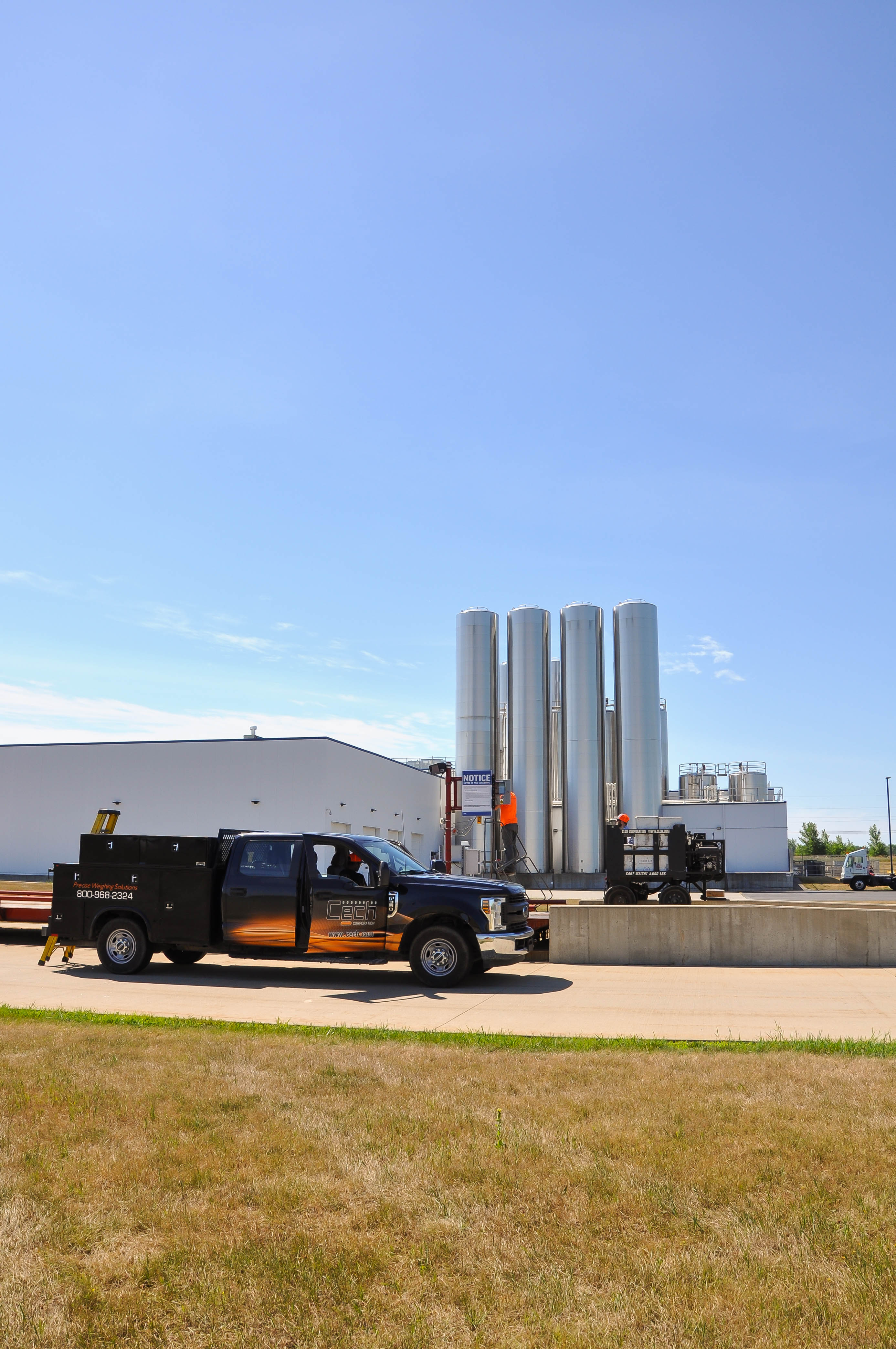
Don't Assume the Scale Is Fine Because It's Still Displaying
The most dangerous outcome of a floor scale impact event isn't obvious failure — it's the scale that keeps displaying weights after the impact, appearing to work normally, while actually producing readings that are systematically wrong. A load cell that has been overloaded may show a permanent zero shift of a few pounds that looks like a calibration issue. A platform corner that has been deflected may be mechanically binding against the pit wall or the mounting structure, partially supporting the load through friction rather than load cells — and the scale will read low for that fraction of the load, consistently, on every transaction until someone notices.
Immediate Steps After an Impact
Step 1: Remove the scale from service immediately. Don't run additional loads until a diagnostic evaluation has been performed. A scale that was hit and is reading wrong is actively producing bad data — which may be worse than no scale at all if the readings look plausible.
Step 2: Document the event. Note the time, what struck the scale and at what speed or weight, what part of the scale was contacted, and what the scale was displaying before and immediately after the impact. Photos of any visible damage to the platform, approach, or structural components are useful for both diagnostic and insurance purposes.
Step 3: Call Cech for a diagnostic service visit. Do not attempt to rezero or recalibrate the scale — the as-found condition after the impact is important diagnostic information. A scale that shows a large zero error after an impact has load cell overload damage that rezeroing will mask but not correct.
What Cech Evaluates After a Floor Scale Impact
Visual and structural inspection of the platform for deformation, cracking, or weld failure at the load cell mounting points. Electrical diagnostics on each load cell — input resistance, output resistance, and insulation resistance — to identify cells that have been mechanically overloaded. Load distribution testing across the platform to identify asymmetric load cell output that indicates structural damage. As-found calibration documentation at multiple test points to establish the post-impact condition before any adjustment. Approach and pit inspection (for pit-style scales) for deformation that could cause platform binding.
The scale looks fine and the display is showing normal numbers. Do I still need a diagnostic visit?
Yes. Visual inspection of a floor scale after an impact event cannot rule out load cell damage or structural damage that affects measurement accuracy without being visible. The strain gauge elements inside a load cell are bonded at microscopic scale — overload damage that produces a permanent calibration shift doesn't leave visible marks on the cell exterior. A diagnostic visit including load cell electrical testing and calibration verification is the only way to confirm the scale is performing accurately after an impact.
The forklift clipped the edge of the platform but didn't hit the load cell area. Is calibration still required?
Yes. Floor scale platforms transmit force across the entire structure to the load cells at the corners and edges. An impact at the platform edge introduces torsional and bending forces into the deck structure that can shift load cell mounting preloads even if the cell itself wasn't directly contacted. The post-impact calibration documents whether the force was within the system's tolerance or whether it produced a shift that needs to be addressed.


