

Scale Downtime — Minimizing the Operational Cost of an Unexpected Failure
Scale downtime is expensive, disruptive, and often avoidable. Here's how to reduce the frequency, duration, and cost of unexpected scale failures.
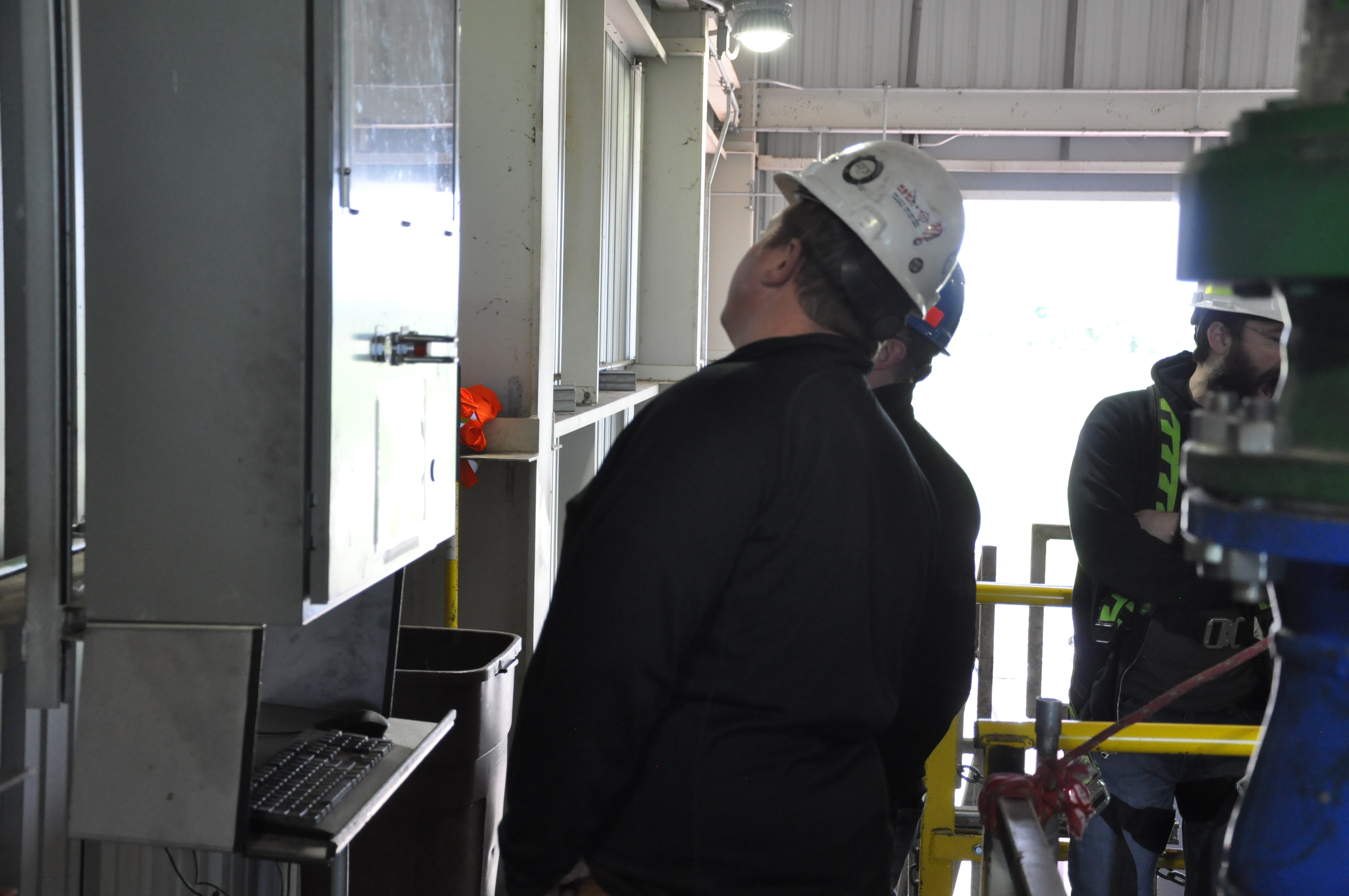
The Real Cost of Scale Downtime
Scale downtime costs more than the repair bill. In a quarry or grain elevator where the truck scale is the commercial transaction point, downtime means trucks stopped, drivers idling, customers calling, and revenue deferred. In a pharmaceutical batch operation, a failed weigh station can halt an entire production sequence and put a batch atrisk. In a food processing facility, scale downtime during a packaging run means the line stops or runs unverified — neither of which is acceptable. The indirect costs — lost throughput, labor standing by, customer relationships train — routinely exceed the direct repair cost by a factor of three to ten.
The Downtime Reduction Framework
Preventive maintenance is the primary downtime reduction strategy. A scale that is mechanically inspected and calibrated on schedule has developing problems identified and addressed before they cause failures. Load cell mounting hardware that’s working loose gets re-torqued before it shifts calibration. A junction box seal that’s beginning to fail gets replaced before moisture reaches the electronics. A cable with early-stage abrasion damage gets replaced before it severs. None of those repairs requires taking the scale out of service for more than a few hours during a maintenance visit — versus days of downtime if the failure propagates to the point of complete system failure.
Remote monitoring extends preventive maintenance between scheduled visits. Cech’s connected diagnostics platform monitors load cell health parameters continuously and generates alerts when parameters indicate developing problems. A load cell whose output is drifting relative to its neighbors generates an alert before the drift reaches the calibration threshold — allowing a targeted service dispatch during a planned production pause rather than an emergency response during peak operations.
Emergency response protocol is the final line of defense when downtime happens despite preventive measures. For operations with active Cech service agreements, emergency response is prioritized — the field technician responding knows the equipment, has the specific load cell models and indicator components for that installation on the vehicle, and arrives with the information needed to fix the problem on the first visit.
What Operators Can Do to Minimize Downtime Duration
Know your scale. Have the make, model, and serial number of your indicator and load cell system readily accessible — not buried in an installation manual in a file cabinet. Know which load cell model is installed in your scale. When you call for service, that information shortens the diagnostic conversation and allows the technician to bring the right replacement components.
Document the symptom before calling. Is the indicator displaying an error code? What is it? Is the platform reading above zero when empty, and by how much? Did anything happen before the symptom appeared — a power event, a large load, a truck impact? A clear symptom description allows remote triage to begin immediately and often allows partial diagnosis before the technician arrives.
Have interim options identified. For commercial scale operations, know your backup weighing option — a portable axle scale, a nearby public scale, a manual documentation procedure — so that if the scale goes down during a critical operational period, you have a documented interim process rather than a complete halt.


